Storefront Glass Replacement: What Business Owners Should Know
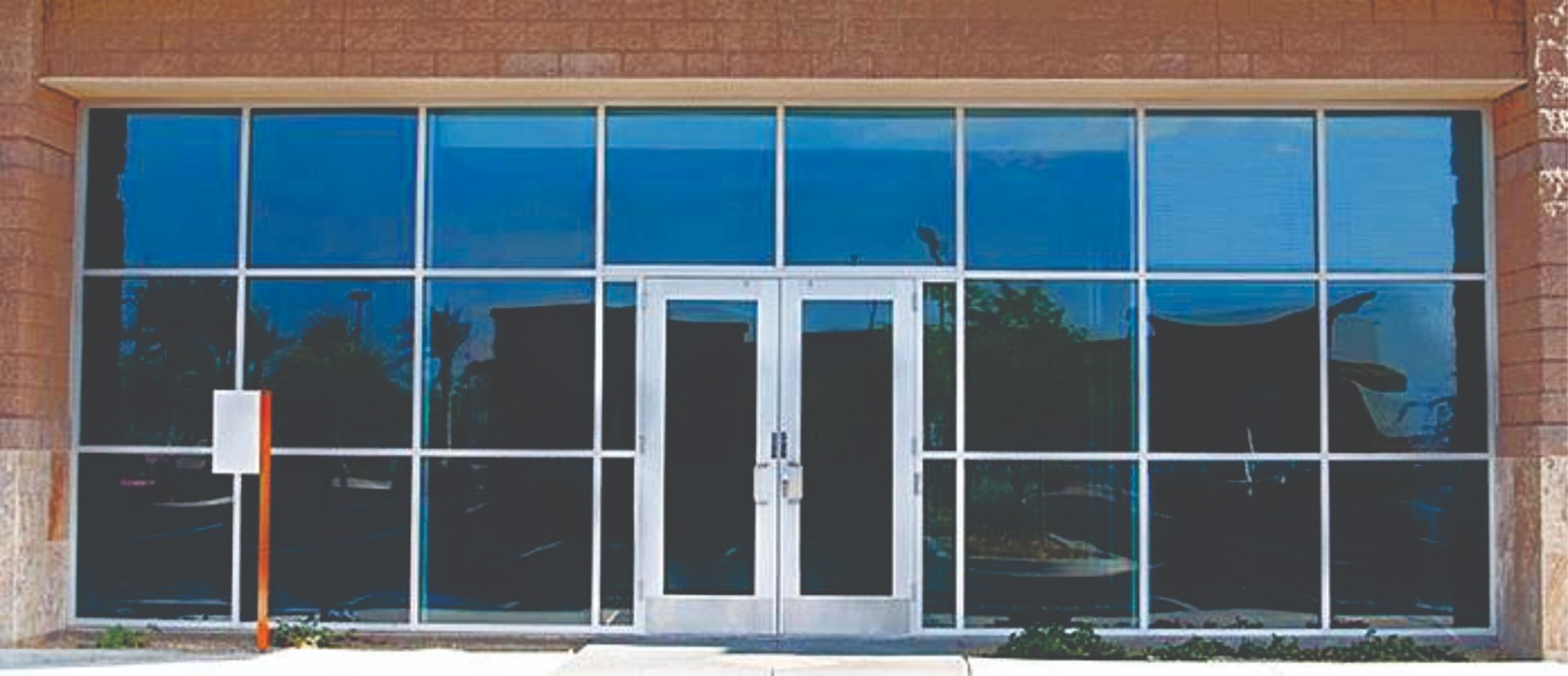
A damaged, foggy, or outdated retail storefront affects customer trust and business security. If you are planning a storefront upgrade or replacing damaged glass, understanding your framing and glass options is critical to maximizing value.
Here is a comprehensive breakdown of the storefront glass replacement process, technical specifications, and key components:
When Is Storefront Replacement Needed?
Business owners replace storefront glass for several key reasons:
- Physical Damage: Shattered panes due to vandalism, break-ins, wind debris, or structural shift.
- Fogged Insulated Glass: Double-pane seal failure that allows moisture condensation inside.
- High Cooling Costs: Outdated single-pane glass that permits intense solar heat transfer.
- Aesthetic Renovations: Modernizing dark anodized metal frames with sleek clear structural glazing.
Framing and Glazing Specifications
Storefront systems typically consist of extruded aluminum framing profiles. When replacing glass, you should review your framing configuration:
- Thermal Breaks: Frame profiles with a plastic structural insulator to prevent heat transmission.
- Safety Tempered Glass: Mandatory by building codes for doors and ground-level windows.
- Laminated Security Glass: Enhanced protection that stays intact in the frame during burglary events.
- Low-E Coating: Reflective metal oxide coating that blocks summer heat while letting daylight pass.
Working with a Glazing Professional
Never trust storefront replacement to standard repair shops. Commercial glazing requires precise wind load calculation, correct silicone sealing, and heavy-duty commercial door alignment. Glass Architects, LLC handles complete storefront fabrication, framing installation, and code compliance audits.