
Tempered vs Laminated Glass: Which One Do You Need?
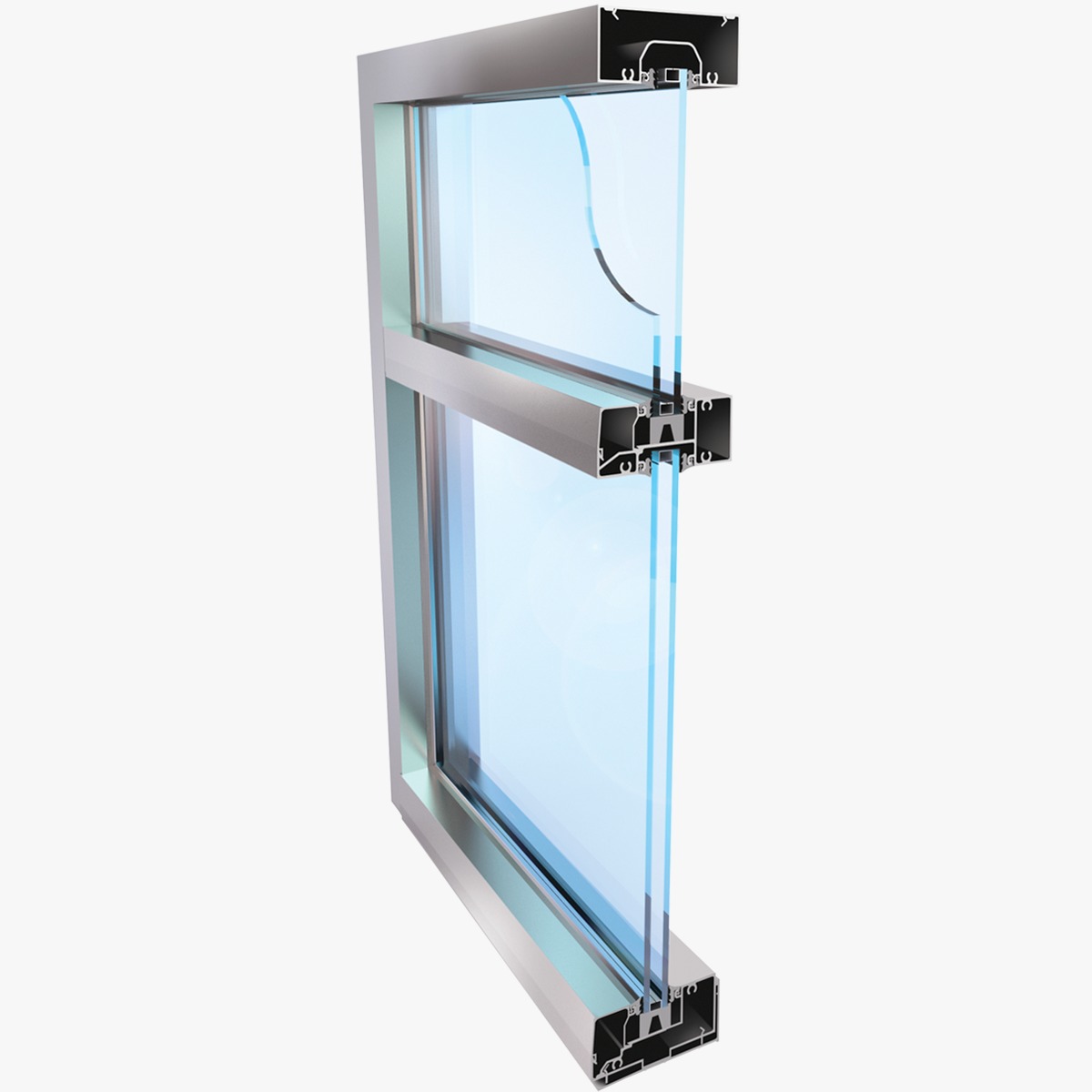
Both tempered and laminated glass are classified as "safety glass." Building safety codes require safety glass in areas vulnerable to human impact (like doors, side lites, stair railings, and low windows). However, these glass types differ in strength, breakage behavior, security protection, and price.
Here is a technical comparison of tempered and laminated safety glass to help you select the right glass for your project:
1. Fabrication and Mechanical Strength
Tempered Glass: Heated to over 1,112°F (600°C) and cooled rapidly with air jets. This creates compression on the surface, making it 4-5 times stronger than standard annealed glass.
Laminated Glass: Consists of two glass sheets bonded by a clear plastic interlayer (typically polyvinyl butyral - PVB). While not as hard on the surface as tempered glass, the PVB interlayer provides superior impact resilience.
2. Safety Breakage Patterns
Tempered Glass: Shatters into tiny, relatively harmless cubes (pebbles) rather than large, sharp shards. This reduces the risk of injury but leaves an open hole in the frame.
Laminated Glass: The glass cracks upon impact but remains bonded to the plastic interlayer, keeping the opening sealed and preventing debris from passing through.
3. Forced Entry Security & Sound Dampening
Laminated glass is the clear winner for security and noise control. The PVB interlayer resists heavy impacts, deterring burglars. It also dampens sound vibrations, making it ideal for street-facing office windows and conference rooms.