
Low-E Glass vs Standard Float Glass Comparison
When replacing residential windows or building commercial storefronts in Houston, the choice between standard glass and Low-E (low-emissivity) glass has a massive impact on your comfort and energy bills. Think of standard clear float glass as a thermal open door. It allows both visible light and radiant heat to pass through freely. In Houston's hot summers, this turns your home or business into a greenhouse, forcing your air conditioner to run continuously. Low-E glass features a microscopic, transparent layer of metal oxides applied to the glass. This layer acts like a thermal mirror, reflecting solar infrared heat away while allowing natural light to pass through. This simple difference can reduce cooling energy bills by up to 30%.
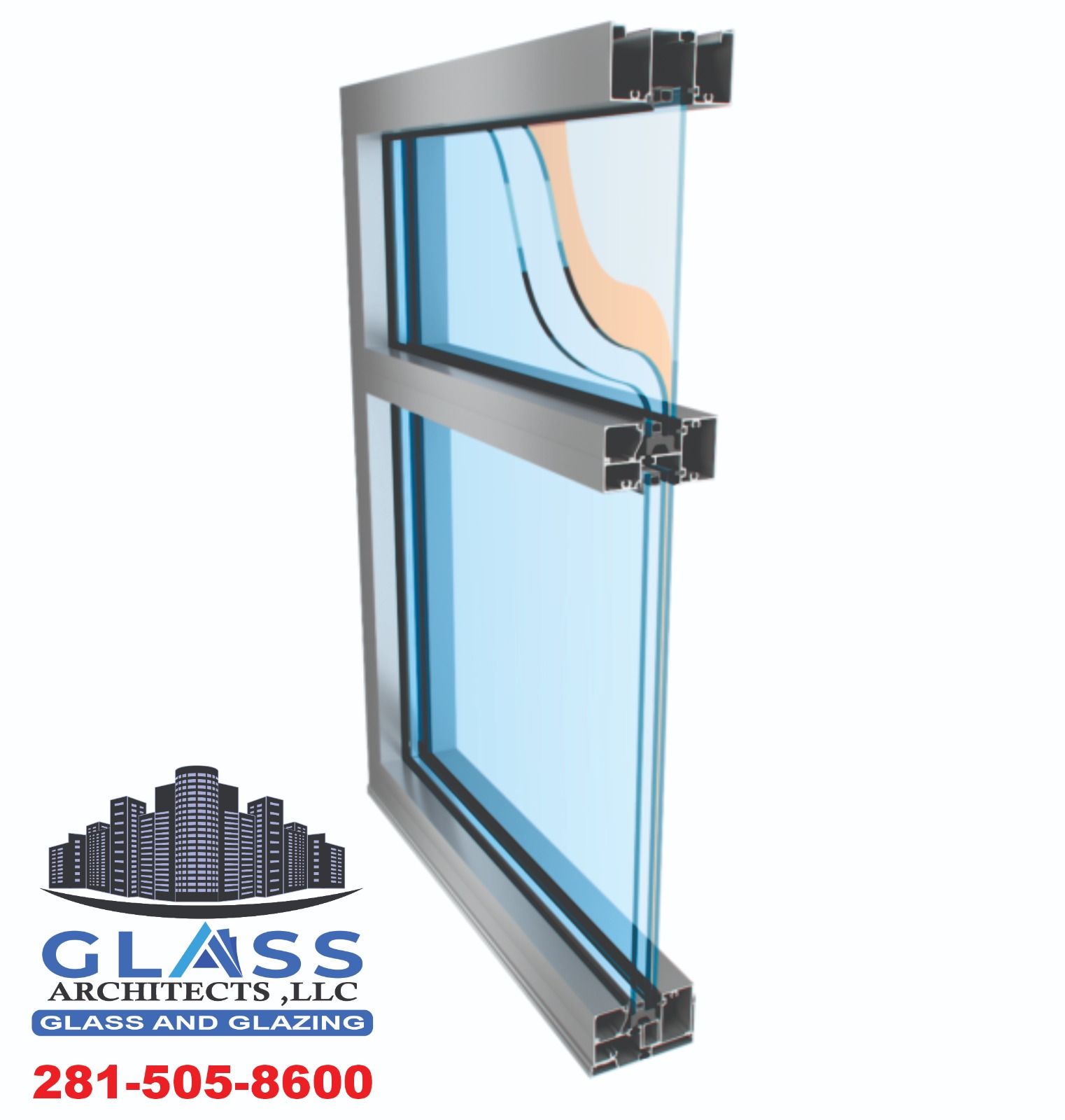
Engineering Comparison Matrix
Standard glass has an emissivity of approximately 0.84, while high-performance Low-E glass can have an emissivity as low as 0.02. This means that Low-E glass is up to 95% more effective at blocking radiant heat transfer.
| Performance Metric | Standard Clear Glass (Single Pane) | Double-Pane Low-E Glass |
|---|---|---|
| Solar Heat Gain Coefficient (SHGC) | ~0.86 (High heat entry) | ~0.22 - 0.28 (Blocks 75%+ heat) |
| U-Factor (Insulation Rate) | ~1.10 (Poor thermal resistance) | ~0.28 (High insulation) |
| UV Ray Blockage | ~25% (Fades interiors) | ~85% - 95% (Protects interiors) |
| Average Energy Savings | Baseline (No savings) | Up to 30% reduction in HVAC costs |
Key Factors to Consider:
- Structural Load: Evaluating framing supports and wind load limits.
- Energy Efficiency: Comparing solar heat gain coefficients and U-factors.
- Safety Rules: Identifying locations where tempered or laminated safety glass is mandatory.
- Overall Budget: Short-term costs vs. long-term utility savings and building value.