
Single Pane vs Double Pane Insulated Glass Comparison
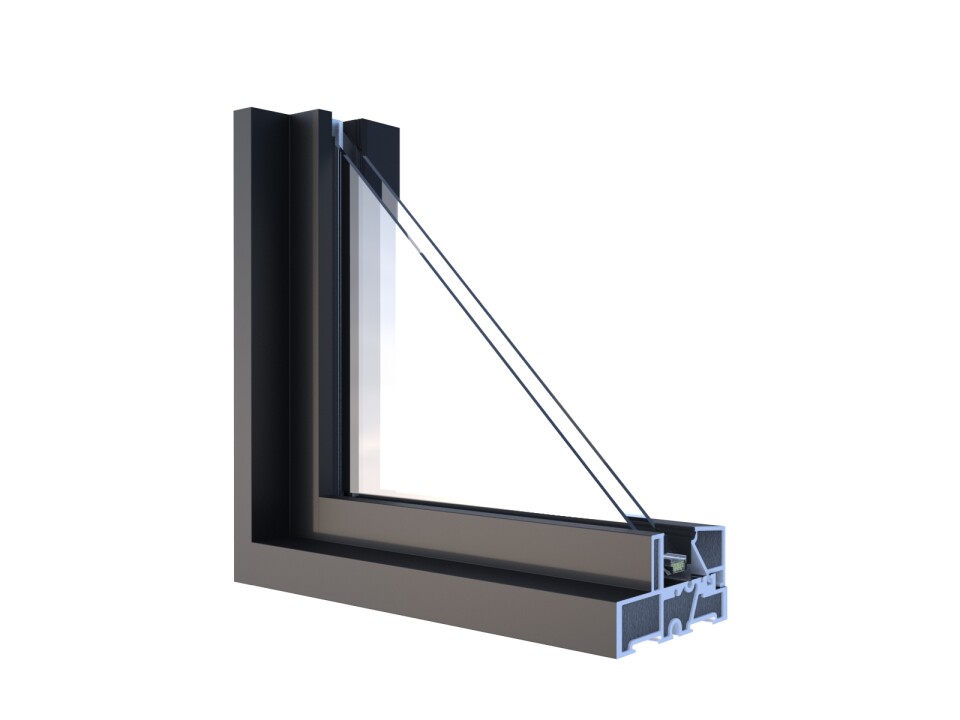
Many older residential and light commercial properties in Houston still feature original single-pane windows, which struggle to insulate against the Texas heat. Single-pane windows consist of a single sheet of glass inside the frame, offering virtually no thermal resistance. Double-pane windows, or Insulated Glass Units (IGUs), feature two glass sheets separated by a sealed space filled with air or Argon gas. This sealed air gap serves as a thermal buffer, slowing the transfer of heat from the outdoors to the indoors.
Engineering Comparison Matrix
The performance difference is immense: a single pane of glass conducts heat quickly, leading to high utility bills. A double-pane unit with a 1/2-inch air gap cuts heat transmission in half. Adding a Low-E coating and Argon gas makes the window up to three times more efficient.
| Feature | Single-Pane Glass | Double-Pane (IGU) Glass |
|---|---|---|
| Insulating Layer | None | Sealed Argon Gas or Dry Air |
| Sound Dampening | Poor (Transmits all noise) | Good (Reduces street noise up to 40%) |
| Condensation Control | Fogs and sweats easily | Resists internal fogging (sealed desiccant) |
| Average Lifespan | Indefinite (No seals to fail) | 15 - 25 years (Seal degradation) |
Key Factors to Consider:
- Structural Load: Evaluating framing supports and wind load limits.
- Energy Efficiency: Comparing solar heat gain coefficients and U-factors.
- Safety Rules: Identifying locations where tempered or laminated safety glass is mandatory.
- Overall Budget: Short-term costs vs. long-term utility savings and building value.