
Annealed Float Glass Engineering & Limits
Every piece of high-performance glass begins its life as annealed glass. Also known as standard float glass, annealed glass is produced by melting raw materials, floating the molten glass on a bath of molten tin, and then cooling it slowly in a controlled oven called a lehr. This slow cooling process relieves internal thermal stresses, leaving the glass flat, stable, and ready to be cut, polished, or fabricated into mirrors and double-pane window units.
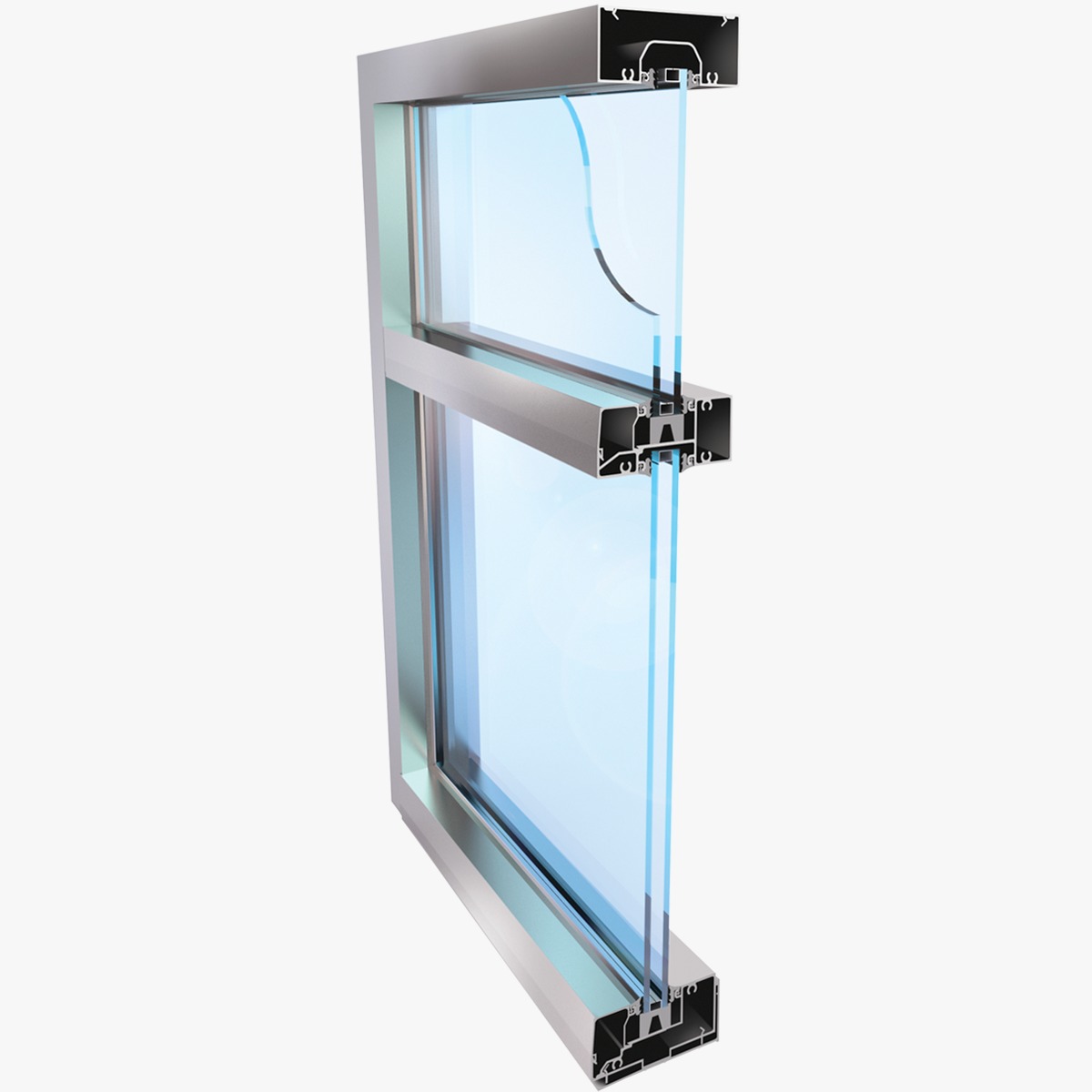
Understanding annealed float glass Science
Because annealed glass has not undergone safety heat treatment, it breaks under relatively low mechanical stress. When it fractures, it splits into large, jagged, dagger-like shards that fall under their own weight. This makes it highly hazardous in locations where people might fall against it.
Key Engineering Properties & Benefits:
- Structural Integrity: Designed to withstand significant wind load pressures and surface impact stresses.
- Safety Compliance: Meets strict local municipal building codes and safety regulations.
- Aesthetic Control: Available in low-iron, frosted, tinted, or back-painted configurations.
- Thermal Efficiency: Helps regulate internal temperatures, minimizing HVAC stress.
Texas Local Building Requirements
While annealed glass is widely used in residential window sashes and picture frames, the City of Houston building codes prohibit its use in safety zones. If you are renovating a home or office, any glass panels near doors, stairs, bathrooms, or low windows must be upgraded to tempered or laminated safety glass.
Frequently Asked Questions
Can annealed glass be cut on-site?
Yes. One of the main advantages of annealed glass is that it can be easily cut, drilled, and custom-beveled on-site by our glazing technicians before any secondary heat treatments.
Why is annealed glass cheaper than tempered glass?
Annealed glass requires fewer fabrication steps. Tempered glass must be cut, polished, cleaned, and then run through a specialized tempering furnace, which adds to the overall manufacturing time and cost.