
Insulated Glass Units (IGUs) & Thermal Engineering
If you look at the edge of a modern window pane, you'll see a thin metal or foam spacer separating two sheets of glass. This assembly is an Insulated Glass Unit (IGU), commonly known as double-pane glass. The space between the glass panes is filled with dry air or an inert gas like Argon, creating a thermal barrier that resists heat transfer. In Houston's subtropical climate, IGUs are essential for keeping hot, humid air outside while containing cool, air-conditioned air inside.
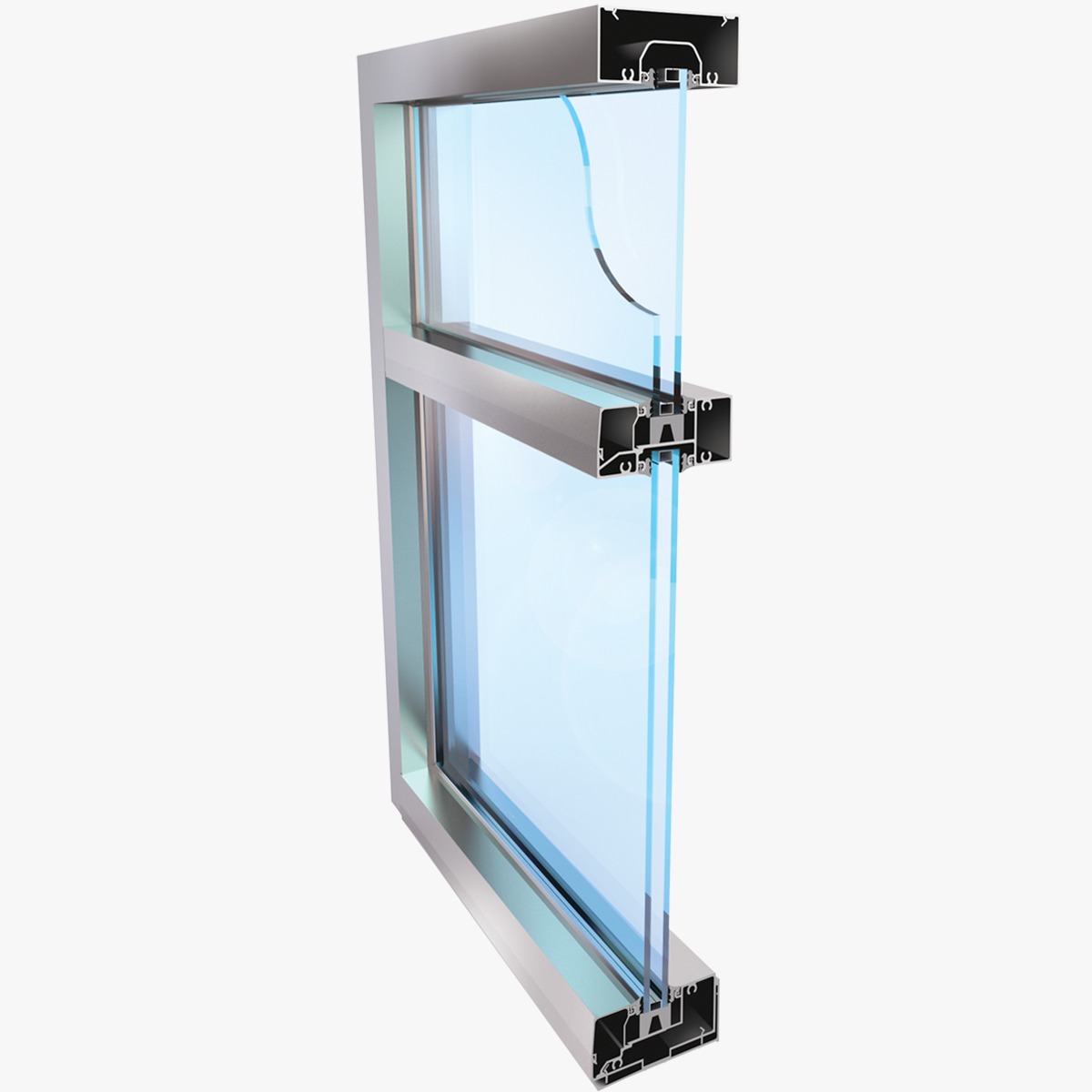
Understanding insulated glass units Science
The performance of an IGU depends on the width of the space (typically 1/2 inch is optimal), the type of spacer (warm-edge spacers reduce heat transfer), and the sealant. The spacer contains a desiccant material that absorbs any moisture, preventing condensation inside the unit.
Key Engineering Properties & Benefits:
- Structural Integrity: Designed to withstand significant wind load pressures and surface impact stresses.
- Safety Compliance: Meets strict local municipal building codes and safety regulations.
- Aesthetic Control: Available in low-iron, frosted, tinted, or back-painted configurations.
- Thermal Efficiency: Helps regulate internal temperatures, minimizing HVAC stress.
Texas Local Building Requirements
The hot, humid Houston climate puts intense stress on window seals. Over time, thermal expansion causes seals to fail, allowing moist air to enter and create a fogged window. We specialize in replacing the glass unit while retaining the original frame, saving homeowners money.
Frequently Asked Questions
What causes double-pane windows to fog up?
Fogging occurs when the perimeter seal of the IGU fails. Moisture-laden air enters the gap, and the internal desiccant becomes saturated, resulting in condensation between the panes. The only solution is to replace the glass unit.
Is Argon gas inside an IGU dangerous if it leaks?
Not at all. Argon is a non-toxic, odorless, natural inert gas that makes up about 1% of the atmosphere. If the seal fails and it leaks out, it is completely harmless.