
Low-E Insulated Glass Coatings & HVAC Performance
Walk into any modern Houston building during July, and you'll instantly appreciate the engineering behind Low-E (low-emissivity) glass. Without it, the intense Texas sun would turn the interior into an oven, sending HVAC units into overdrive. Low-E glass features an incredibly thin, transparent coating of microscopic metal oxides (such as silver) applied to the glass surface. This coating acts like a smart mirror: it allows visible light to pass through while reflecting long-wave infrared heat energy back to its source.
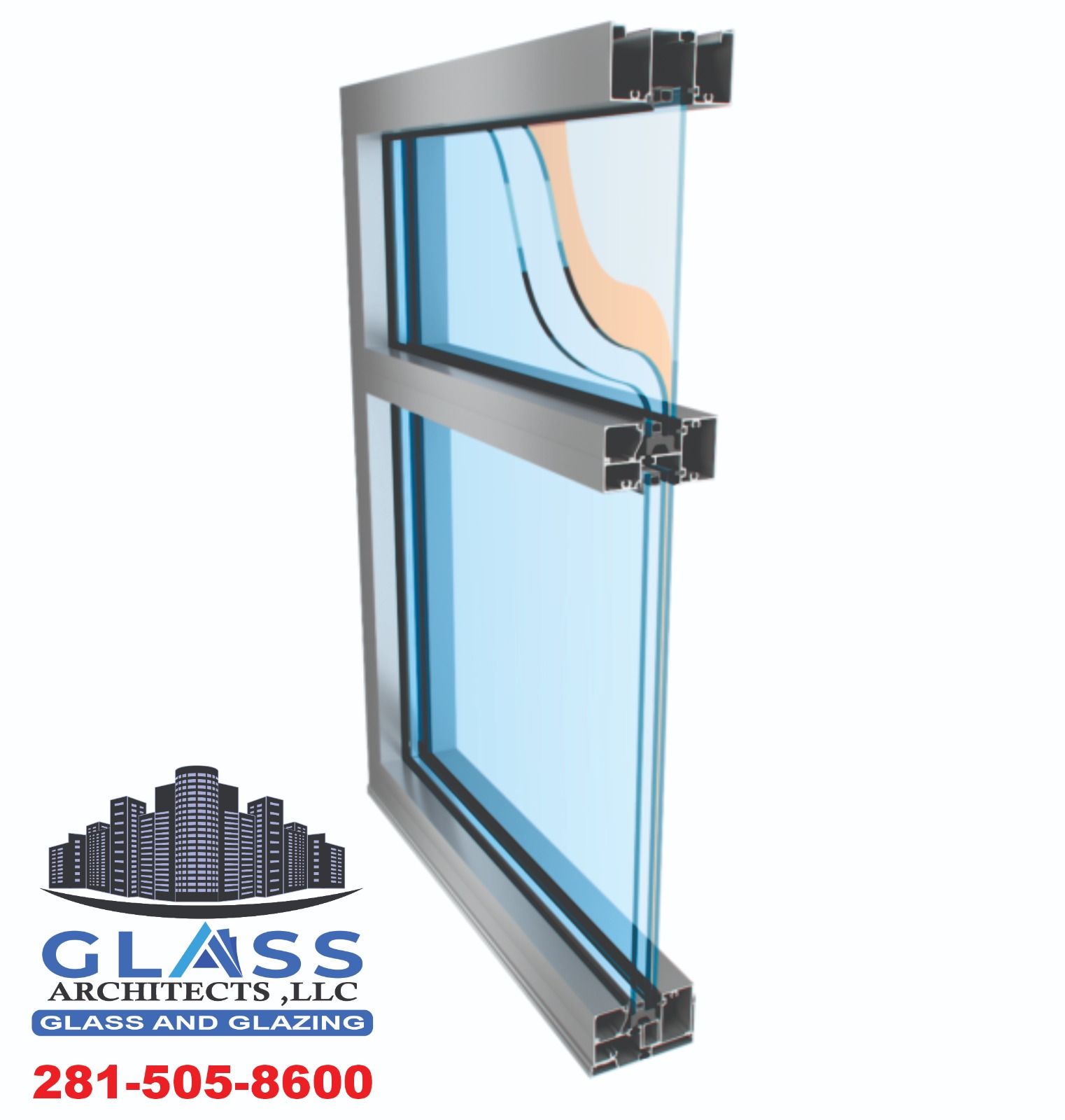
Understanding low-e glass coatings Science
The performance of Low-E glass is measured by two key metrics: the U-Factor (how well it insulates against non-solar heat flow) and the Solar Heat Gain Coefficient (SHGC, which measures how much direct solar heat enters the building). By blocking solar heat while letting in natural daylight, Low-E glass dramatically improves building efficiency.
Key Engineering Properties & Benefits:
- Structural Integrity: Designed to withstand significant wind load pressures and surface impact stresses.
- Safety Compliance: Meets strict local municipal building codes and safety regulations.
- Aesthetic Control: Available in low-iron, frosted, tinted, or back-painted configurations.
- Thermal Efficiency: Helps regulate internal temperatures, minimizing HVAC stress.
Texas Local Building Requirements
With Houston's hot climate, we select double-pane insulated units with a low SHGC (often 0.25 or lower) on the second surface of the glass. This configuration reflects heat away before it can pass through the inner pane, reducing cooling bills by up to 30%.
Frequently Asked Questions
Does Low-E glass look dark or tinted?
No. Modern spectral-selective Low-E coatings are virtually invisible, providing outstanding heat blocking while maintaining high visible light transmission and interior clarity.
What is the difference between hard-coat and soft-coat Low-E?
Hard-coat Low-E is applied to molten glass during production, making it highly durable. Soft-coat Low-E is applied in a vacuum chamber afterward; it is more delicate but offers significantly better thermal performance and is preferred for premium double-pane IGUs.